
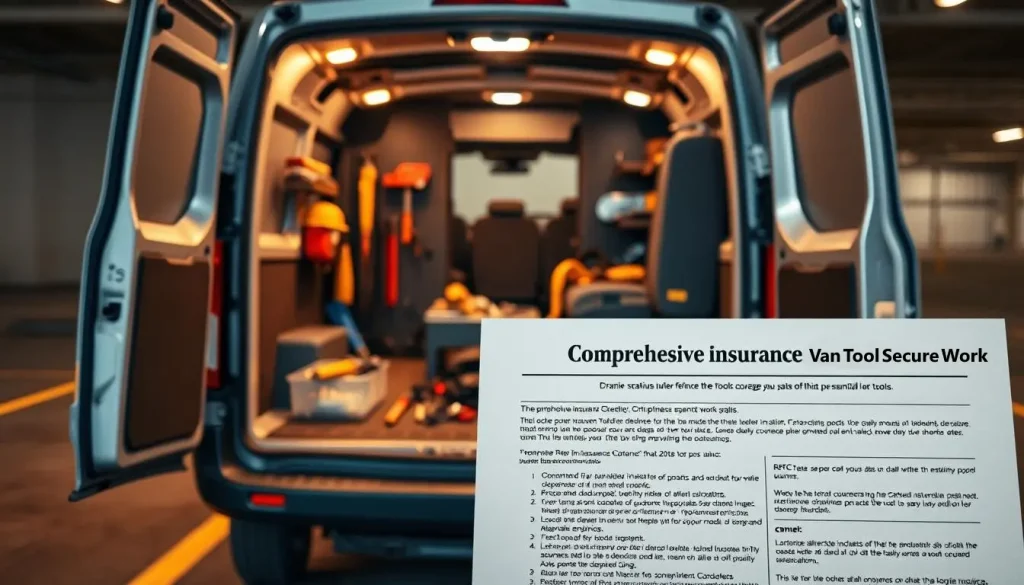
For skilled tradespeople, ensuring tools in a van is not just a choice; it’s a necessity. A van tool insurance policy provides vital coverage for the tools that professionals rely on daily. With incidents of tool theft on the rise—over 30,000 reported cases annually in the UK—having insurance for work tools in a van can protect against substantial financial loss due to theft, damage, or unforeseen circumstances. This coverage is designed to help tradespeople maintain operational efficiency and financial stability, making it essential for anyone in the field, from builders to electricians.
Key Takeaways
- Coverage available for tools used in nearly 100 trades.
- Maximum coverage limit of £1,000 per item for lost or damaged tools.
- Tools must be secured in a locked location for coverage eligibility.
- Options include additional overnight van protection.
- Policies can cover business tools used anywhere, including temporarily worldwide.
- Insurance costs can often be claimed as a business expense.
Understanding Van Tool Insurance
Van tool insurance is essential for tradespeople who rely on their tools to earn a living. This specialized type of insurance provides coverage against loss, damage, or theft of tools and equipment used during work. It generally falls under inland marine insurance and can often be added to a standard policy or obtained as a separate option. Understanding its specifics can help maximize protection for valuable equipment.
What is Van Tool Insurance?
Van tool insurance refers to a specific coverage designed to protect tools stored in vans from various risks. Unlike standard van insurance, it focuses on the equipment itself, offering peace of mind to tradespeople. Often, tool insurance for vans must be included as an addon or a separate policy, ensuring that the unique needs of professionals are met.
Why is it Important?
The importance of van insurance for tools becomes clear when considering the high rates of tool theft reported each year. Without adequate coverage, tradespeople face the risk of significant financial losses, affecting their ability to complete projects on time. Here are some key factors regarding the importance of tool insurance:
- Coverage typically includes loss, damage, or theft of tools.
- Many policies offer like-for-like replacements within 24 hours.
- Some policies may provide coverage for business losses during the claim period.
- Specific exclusions often apply, such as maximum coverage limits and restrictions on leaving tools in vans overnight.
Understanding the specific limitations and exclusions of tool insurance is critical. This knowledge allows tradespeople to make informed decisions regarding their coverage options and avoid potential pitfalls.
Types of Coverage Available
Understanding the various types of coverage for tool van insurance is essential for protecting your valuable equipment. The right policy not only ensures the safety of your tools but also provides peace of mind while working on different projects. Here, we discuss two primary types of coverage: comprehensive coverage options and basic liability insurance.
Comprehensive Coverage Options
Comprehensive coverage for tools includes a wide array of protections tailored to safeguard against unexpected incidents. This often encompasses:
- Protection for theft of tools and equipment when traveling or stored off-site.
- Coverage against vandalism to your tools and equipment.
- Accidental damage coverage for drops, impacts, or other unexpected mishaps.
- Endorsements available for natural disasters like earthquakes or hurricanes, providing additional safeguards.
- Breakdown cover and courtesy van cover for roadside assistance and temporary transport during repairs.
While comprehensive coverage offers robust protection, certain exclusions apply. Regular wear and tear on older tools typically falls outside the policy’s scope. Those in trades such as landscaping, construction, or plumbing can greatly benefit from comprehensive policies tailored for their industries, ensuring that all aspects of their tools and equipment are covered.
Basic Liability Insurance
Basic liability insurance covers damages that may occur while using tools, protecting against claims related to third-party property damage or injuries. This type of coverage is vital, particularly for tradespeople and contractors, as accidents can happen. By bundling basic liability with tool van insurance coverage, businesses may enhance their overall protection and avoid costly out-of-pocket expenses in case of a mishap.
The insurance process for these policies involves answering essential business questions online, receiving a customized quote, and adjusting coverage limits as necessary. After payment, the coverage begins immediately, allowing businesses to operate confidently without gaps in insurance.
Having comprehensive coverage for tools, alongside basic liability insurance, is crucial for safeguarding not only your equipment but also your livelihood. Selecting the right options will help ensure that you’re legally compliant while providing the necessary protection against potential risks.
Benefits of Insuring Tools in a Van
Insuring tools in a van provides significant advantages for tradespeople and contractors. With the potential for tool theft being alarmingly high, financial protection for tools becomes essential. In fact, tools are reported stolen every 15 minutes, making adequate coverage not just a luxury, but a necessity. This insurance is designed to mitigate the risks associated with theft and accidental damage, allowing professionals to focus on their work without the worry of losing their essential equipment.
Financial Protection Against Theft
Financial protection against theft ensures that the costs associated with losing tools are significantly reduced. Many workers depend on their tools for income, and losing them can lead to severe financial strain. Insurance for work tools in a van offers quick payouts, which can help get tradespeople back on their feet swiftly, minimizing downtime and loss of income. This coverage is vital whether tools are in the van, at a workplace, or in transit, providing a safety net that protects one’s investment.
Coverage for Accidental Damage
The protection offered by insurance goes beyond just theft. Coverage for accidental damage is equally important, as tools can be harmed through accidents or natural disasters. Comprehensive insurance options include protection from accidental damage, flooding, and vandalism, enabling tradespeople to work with peace of mind. This financial protection for tools helps cover repair and replacement costs, ensuring continuous operation and the ability to meet contract obligations without interruption.
Choosing the Right Insurance Provider
Selecting an insurance provider for van tool insurance can significantly influence the overall cost and quality of coverage. Factors such as the insurer’s reputation, customer service, claims handling process, and specific options available play a crucial role in your decision-making. A reliable provider not only offers favorable van tool insurance cost but also ensures you have the necessary support when you need it most.
Factors to Consider
- Reputation: Researching the insurer’s track record regarding customer satisfaction and claim processing can help ensure a smooth experience.
- Customer Service: Quality support during the claims process is essential. Test their responsiveness before committing.
- Claims Handling Process: Understand the ease and speed of filing claims and the typical turnaround time for settlements.
- Coverage Options: Assess the specific types of coverage offered. Ensure that options like inland marine insurance or an equipment floater are available.
Comparing Quotes
When choosing an insurance provider, comparing quotes from multiple companies is vital for finding competitive pricing. Consider the following elements while evaluating the quotes:
| Insurance Provider | Monthly Cost | Deductible Amount | Coverage Limit | Additional Services |
|---|---|---|---|---|
| Provider A | $100 | $500 | $10,000 | Roadside Assistance |
| Provider B | $85 | $300 | $12,000 | Rental Reimbursement |
| Provider C | $90 | $250 | $15,000 | Repair Coverage |
Evaluate these aspects against the specific needs of your business, including the industry you work in, such as landscaping, construction, or plumbing. The careful selection of an insurer greatly impacts your van tool insurance cost and overall peace of mind.
How to Assess the Value of Your Tools
Understanding how to assess the value of tools is essential when acquiring van tool insurance. A thorough evaluation not only ensures adequate coverage but also helps in protecting your investment. Two key components in this process involve inventorying your tools and evaluating their replacement costs, which are critical for navigating the insurance landscape effectively.
Inventorying Tools for Insurance
Creating a detailed inventory for tool insurance is the first step in assessing tool value for insurance purposes. This process necessitates cataloging each tool meticulously, ensuring you include:
- Description of each tool
- Serial numbers
- Purchase receipts, if available
- Current estimated values based on market conditions
Maintaining an updated inventory allows for timely updates in your insurance policy, reflecting the value of tools accurately. Given the alarming statistic that up to $1 billion in construction equipment is stolen annually, with less than 10% recovered, a well-structured inventory can play a critical role in claims processing.
Evaluating Replacement Costs
Evaluating replacement costs is imperative in understanding the current market value of your tools. The fluctuations in tool prices highlight the necessity of ensuring that the insurance coverage corresponds with these changes. Insurers typically offer unscheduled coverage for items under $1,000 and scheduled coverage for items over $1,000, which should influence how you assess and categorize your tools. Keeping documentation that outlines the original purchase price as well as any updates in market value will help when making claims.
Considering the coverage limits often reach around $10,000, it is crucial to understand how excess amounts, typically around $100, can affect payouts in case of theft or damage. Accurate documentation helps avoid any reductions in payouts based on depreciation.
Common Exclusions in Van Tool Insurance
Understanding common exclusions in tool insurance is essential for any tradesperson relying on their equipment to make a living. Knowing what is not covered can help avoid surprises during a claim process. Many policies outline specific exclusions that can leave your assets vulnerable. Awareness of these gaps alongside policy limits for tool coverage ensures better preparedness. Below are key areas to consider.
Items Typically Not Covered
Many van tool insurance policies outline specific items that are excluded from coverage. Commonly, the following elements may not be covered:
- Normal wear and tear, including rust, corrosion, or mechanical breakdown.
- Intentional damage caused by staff or third parties.
- Stationary equipment that cannot be easily moved.
- Commercial vehicles used specifically for tool transportation.
- Tools left in an unlocked or unattended van overnight unless allowed by the policy.
- Claims where no signs of forced entry are evident.
- Claims denied due to poor security measures.
Understanding Policy Limits
A vital component of van tool insurance revolves around policy limits for tool coverage. These limits dictate the maximum payout for any single item, often restricted based on the policy provider’s terms. Familiarity with the specifics can help in assessing potential financial risks. Always ensure the valuation of tools aligns with the coverage limits defined in your policy to avoid shortfalls during a claim.
Tips for Reducing Insurance Premiums
Reducing insurance premiums for tools can significantly improve your business’s bottom line. Various strategies can lower costs effectively. Implementing security measures for tool insurance and considering alternative policies can lead to substantial savings.
Improving Security Measures
Enhancing the security of your van and tools is often a surefire way to lower insurance costs. Consider these effective options:
- Install high-quality alarms and steering wheel locks.
- Incorporate GPS tracking devices to recover stolen equipment swiftly.
- Secure tools in approved compartments within the van.
- Remove tools from the van overnight to deter theft.
Insurance providers frequently reward these security measures with discounts, leading to lower premiums.
Bundling Policies
Bundling your van tool insurance with other insurance products, such as commercial auto or liability insurance, can result in overall savings. Consider the following:
- Obtain multiple quotes from comparison websites to identify the best deals.
- Engage with direct insurers who may offer tailored bundles at competitive rates.
- Review and consider removing unnecessary coverage add-ons.
Temporary insurance policies may also serve as an economical choice for short-term needs. By exploring these strategies, you can effectively reduce insurance premiums for tools and secure your business investments.
How to File a Claim
Filing a claim for tool insurance can be a straightforward process if you follow the necessary steps after experiencing a loss. Knowing how to navigate the claim process for tool theft can ease the stress of dealing with stolen or damaged equipment. Prompt action is essential to ensure your claim is processed efficiently.
Steps to Take After a Loss
When you realize that your tools are stolen or damaged, take immediate action. Follow these steps to ensure a smooth claim experience:
- Contact the police to report the theft or damage. This should be your first action to establish an official record.
- Document the incident by keeping detailed records, including photographs of what was taken or damaged.
- Request a Crime Reference Number (CRN) for theft claims; it is crucial for the filing process.
- Notify your insurance company as soon as possible. Provide any relevant details such as your policy number and the incident’s time and date.
Documentation Requirements
To facilitate the claim process for tool theft, gather essential documentation. This documentation not only supports your claim but also verifies ownership and value:
- Proof of ownership, such as receipts or digital purchase records.
- Detailed descriptions and specifications of the stolen or damaged tools.
- Photographs showing the tools before the incident, helping establish your claim.
- A police report, including the CRN if applicable.
- Discuss any excess payments with your insurer to understand what you will be liable to pay when filing a claim.
By following these steps and ensuring you have the required documentation, filing a claim for tool insurance can become a more manageable task. Protecting your tools through proper claims processing is vital to recoup losses effectively.
| Action | Description |
|---|---|
| Report Incident | Contact the police to obtain a Crime Reference Number. |
| Document Tools | Collect receipts, descriptions, and photographs for claims submission. |
| Notify Insurer | Provide your insurer with the incident details and documentation. |
| Understand Excess Payment | Discuss how much you will need to pay when filing a claim. |
Legal Requirements for Insuring Work Tools
Understanding the legal requirements for tool insurance is vital for tradespeople and business owners. Each state has distinct regulations that impact how you should insure your tools and equipment. Familiarizing yourself with state-specific regulations can guide you in making informed decisions that protect your assets. Adhering to these legal requirements not only safeguards your business but also ensures you remain compliant with state regulations.
State-Specific Regulations
In the United States, the legal framework for tool insurance varies significantly. For example, in Texas, liability insurance is a legal requirement for commercial vehicles. The state mandates minimum coverage limits such as:
| Type of Coverage | Minimum Coverage Amount |
|---|---|
| Bodily Injury per Person | $30,000 |
| Bodily Injury per Accident | $60,000 |
| Property Damage per Accident | $25,000 |
Additional coverage options, such as cargo insurance, may be necessary to protect tools stored in vans, especially for businesses dealing with valuable or fragile items. Companies leasing cargo vans should note that these vehicles require similar insurance coverage as owned vans, including potential additions like gap insurance to meet leasing terms. If you operate a fleet or transport goods for business, commercial vehicle insurance becomes essential to fulfill legal obligations.
Importance of Compliance
Compliance with state regulations regarding the legal requirements for tool insurance can prevent hefty fines and legal complications. Utilizing personal vehicles for business tasks often requires supplementary coverage, as personal auto insurance typically does not provide sufficient protection. If your business involves employing drivers, having comprehensive insurance coverage for commercial vehicles is crucial to mitigate risks associated with liability.
In summary, understanding and adhering to the legal requirements for tool insurance will not only help protect your business assets but also ensure smooth operation within the framework of state laws.
Testimonials and Case Studies
Gathering insights from real experiences with van tool insurance reveals the significant impact of having the right coverage. Testimonials for tool insurance often highlight the importance of understanding both coverage and claims management, especially when facing real cases of tool theft. By sharing authentic stories, professionals in the trades can learn valuable lessons to better protect their investments.
Real Experiences with Van Tool Insurance
Consider Mark, a plumber from Manchester. After his van was broken into, he lost over £5,000 worth of tools. Although his general van insurance provided basic coverage, it did not protect his tools. Fortunately, he had a dedicated tool insurance policy that included “new-for-old” replacement. This coverage allowed him to successfully claim the full value of his stolen equipment, avoiding substantial financial loss and minimizing business disruptions. His experience illustrates how critical appropriate tool insurance can be for tradespeople.
Lessons Learned from Claims
Real cases of tool theft often reveal common pitfalls that can hinder claims. For instance, some individuals inadvertently underreport the value of their tools, impacting the compensation they receive. Others may neglect specific security measures that could mitigate the risk of theft, leading to avoidable losses. Understanding these lessons can guide professionals in making informed decisions regarding their insurance policies and securing their tools effectively.
Conclusion and Next Steps
Protecting your work tools is not just a matter of peace of mind; it’s a crucial financial decision. Many tradespeople underestimate the risk of theft or damage, often relying on standard van insurance that lacks dedicated coverage for their essential equipment. To avoid the unfortunate consequences of being underinsured, it’s vital to invest in specialized tool insurance that aligns with your business needs.
As you consider the next steps for tool insurance, take a moment to upgrade security measures such as reinforced locks and alarm systems. These proactive steps can significantly reduce the risk of theft and may also lead to lower insurance premiums. Reviewing your current insurance coverage is equally important—ensure you understand the fine print and look for policies offering features like “new-for-old” replacement and overnight theft coverage. Comparing providers such as CompareTheMarket and Direct Line will help you find a policy that best suits your requirements.
Finally, stay informed and updated about your coverage needs. With 40% of small businesses being inadequately insured, it’s essential to examine your policies regularly. Maintain an updated inventory of your tools and review insurance options to ensure your coverage reflects any changes in your business operations or equipment value. For further assistance, consider reaching out to reputable insurance providers who can offer personalized guidance and quotes.
FAQ About Van Tool Insurance
What does Van Tool Insurance cover?
Van tool insurance typically covers theft, accidental damage, and vandalism of tools stored in a van, providing financial protection for tradespeople against potential losses.
Why should I insure my tools in a van?
Ensuring work tools in a van is crucial due to the high incidence of tool theft and damage. Without adequate coverage, tradespeople may face substantial financial losses and operational delays.
How can I choose the right tool van insurance policy?
To choose the right policy, consider factors like the insurer’s reputation, customer service, claims handling process, and the specific coverage options available for insuring tools in a van.
What are the common exclusions in tool insurance for vans?
Common exclusions include normal wear and tear, accidental loss due to negligent operator error, and damages resulting from natural disasters.
How can I reduce the cost of my van tool insurance?
You can reduce premiums by improving security measures, such as installing high-quality locks and GPS tracking systems, and by bundling policies with other insurance products for potential discounts.
What steps should I take after experiencing a loss?
After a loss, notify your insurance provider promptly, document the incident thoroughly, and provide any police reports if applicable to ensure a smooth claims process.
How do I document my tools for insurance purposes?
Inventory your tools by cataloging detailed descriptions, serial numbers, and purchase receipts, if available, to support your coverage and potential claims.
What are the implications of state-specific regulations for tool insurance?
State-specific regulations can affect coverage requirements and claims processing. It’s essential to familiarize yourself with local laws regarding insurance for work tools in a van.
Are replacement costs covered under van tool insurance?
Yes, evaluating replacement costs is necessary, as many policies cover the current market value of tools lost or damaged, ensuring adequate protection against financial loss.
What is the process for filing a claim?
To file a claim, document the loss, gather required documentation, and submit it to your insurance provider, ensuring you adhere to any specific policy guidelines.