

Choosing the Right Liability Coverage Limits
Selecting the appropriate liability coverage limits is crucial for financial protection in the event of an accident. Liability insurance is a critical component of your car insurance policy, as it covers damages to others in case you’re at fault.
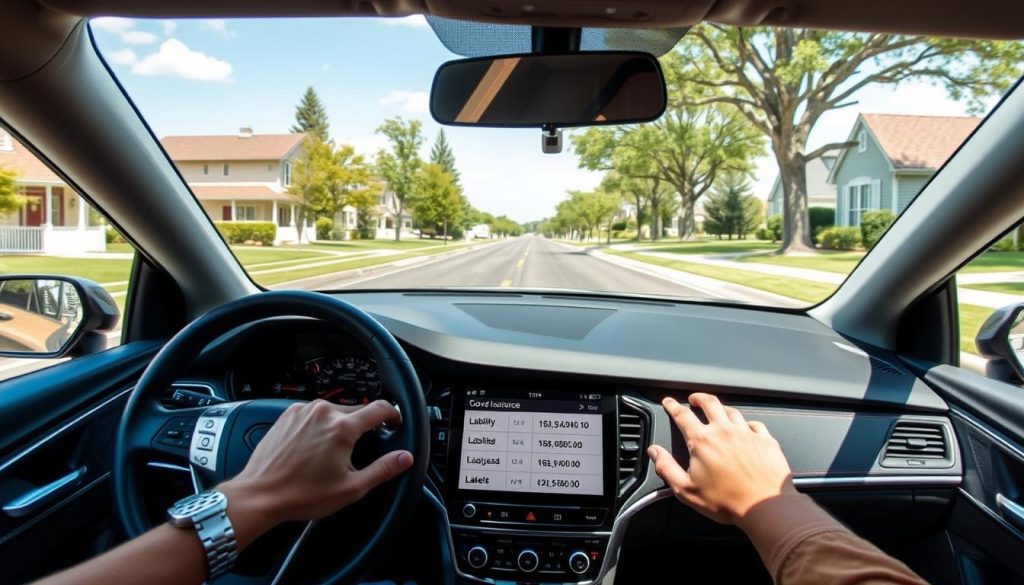
Understanding Coverage Notation
Liability coverage is often represented by a series of numbers, such as 25/50/25. This notation signifies the maximum amount your insurance will pay for bodily injury per person, bodily injury per accident, and property damage, respectively. For instance, in the 25/50/25 notation, $25,000 is the maximum for bodily injury per person, $50,000 for bodily injury per accident, and $25,000 for property damage.
Recommended Coverage Levels
While state minimum liability requirements vary, they are often insufficient to cover the costs of a serious accident. It’s generally recommended to opt for higher coverage limits to protect your assets. For example, if you’re involved in an accident that causes significant property damage or bodily injury, higher coverage limits can prevent you from having to pay out of pocket for the excess amount.
Risks of Minimum Coverage
Opting for the state minimum coverage can be risky, as it may not be enough to cover the costs of a serious accident. For instance, if you have California’s minimum property damage coverage of $15,000 but cause $25,000 in damage to another vehicle, you’ll be personally responsible for the $10,000 difference. Similarly, medical costs from accidents can easily exceed minimum bodily injury limits, potentially resulting in hundreds of thousands of dollars in medical bills.
Furthermore, if your coverage limits are exceeded, you may face lawsuits targeting your assets, including your home, savings, and future wages. The minimal cost difference between minimum coverage and higher liability limits makes choosing state minimums a high-risk decision with limited financial benefit.
When Liability-Only Insurance Makes Sense
The decision between liability-only insurance and full coverage hinges on the vehicle’s value, driver’s financial situation, and personal risk tolerance. Liability-only insurance covers damages to others in an accident, but it doesn’t cover damages to your vehicle.
Older and Low-Value Vehicles
For older vehicles with low market value, liability-only insurance can be a cost-effective option. If the cost of full coverage approaches or exceeds the vehicle’s value, it may not be financially justifiable. For instance, if you own a vehicle that’s over 10 years old and has a low market value, the cost of comprehensive and collision coverage might be more than the vehicle is worth.
Lenders typically require full coverage for financed or leased vehicles until the loan is paid off. However, once the loan is paid, you can reassess your insurance needs. If your vehicle is old or has low value, switching to liability-only insurance can significantly reduce your insurance premiums.